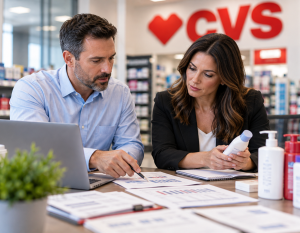
Getting your product on retail shelves takes more than having a good idea. Retailers like CVS need products that fit their shoppers, their stores, and their business. Manufacturers also need to show that they are ready to handle the demands that come with selling through a large retailer.
If your goal is to sell products at CVS, preparation can make a big difference. Before approaching a buyer, make sure you understand your product, your category, your numbers, and how you will support the business if you get a yes.
Here are 10 practical tips to help prepare your product for retail shelves.
1. Know Exactly Where Your Product Fits
Start by knowing where your product belongs in the store. Do not make the retailer figure this out for you.
Look at the category you want to enter. Study similar products, price points, package sizes, claims, and how much shelf space is available.
Ask yourself:
- What products would mine sit next to?
- What makes my product different?
- Who is most likely to buy it?
- Does it solve a need that is not being met?
- Is the price right for the category?
The clearer you are about where the product belongs, the easier it is to explain the opportunity.
2. Give the Retailer a Reason to Add Something New
Retail shelf space is limited. Adding one product may mean giving less space to another.
That means being “different” is not always enough. You need to explain why your product deserves space.
Maybe your product reaches a growing group of shoppers. It may offer a useful feature, fill a gap in the category, or respond to a new consumer trend.
The goal is to show what the retailer gains by putting the product on the shelf.
If you are preparing specifically for CVS, our article on CVS product selection criteria provides more information about preparing for the retailer.
3. Know Your Numbers Before You Pitch
A good story can get attention, but retailers also need numbers.
Know your costs, retail price, production capacity, lead times, and other important parts of your business before starting serious retail conversations.
You should also understand how the product is already performing if you have existing sales.
Useful information can include:
- Current sales
- Sales growth
- Repeat purchases
- Best-selling products
- Strongest markets
- Customer reviews and feedback
- Online sales performance
You do not need to bury the buyer in numbers. Focus on information that helps explain why shoppers want the product and why it could make sense at retail.
4. Make Sure You Can Handle a Large Retail Order
Getting a large order sounds great until you realize you cannot fill it.
Before pursuing a major retailer, understand how much product you can make and how quickly you can make it. Talk with manufacturers, suppliers, and distribution partners before making promises.
Consider what would happen if demand increased faster than expected.
Can you increase production? Do you have enough materials? How long does production take? How quickly can finished products be shipped?
Retail readiness means being prepared for success, not simply hoping for it.
5. Make Your Packaging Retail-Ready
Your package has an important job. It needs to protect the product, communicate what it is, and help shoppers understand it quickly.
Look at your packaging from several feet away. Can you tell what the product does? Is the brand easy to identify? Are the most important benefits clear?
Retail packaging also needs to work within the physical space available on a shelf.
Before approaching a major retailer, review:
- Package dimensions
- Product name
- Main benefits
- Required information
- Barcode placement
- Case packaging
- Shelf appearance
For a deeper look at this subject, read The Role of Packaging Design in Capturing CVS Shopper Attention.
6. Visit Stores Before You Ask for Shelf Space
One of the simplest things a supplier can do is visit stores.
Walk through the category where you want your product placed. Look closely at what is already there rather than just checking whether your competitors are present.
Pay attention to pricing, promotions, shelf position, package size, brands, store brands, and new products.
You may notice that your original idea for where the product belongs is not the best fit. You might also discover a gap that makes your pitch stronger.
Shuster Group regularly conducts market visits as part of understanding changing retail opportunities. Learn more in Gaining a Competitive Edge with Ongoing Market Visits.
7. Make Your Presentation Easy to Understand
Retail buyers review many products. Your presentation should make the opportunity easy to understand.
Avoid filling every slide with long paragraphs or telling the entire history of your company before explaining the product.
Start with the information that matters most.
Explain:
- What the product is
- Who buys it
- Why shoppers need it
- Where it fits
- What makes it different
- What the numbers show
- How you will support it
A buyer should not have to search through your presentation to understand your main point.
Keep it clear, focused, and backed by useful information.
8. Have a Plan for Supporting the Product After Launch
Getting onto the shelf is not the finish line.
Before your product launches, think about how you will support it once it reaches stores. Retailers want suppliers that can manage the business after the initial excitement is over.
That means thinking about inventory, promotions, sales performance, deductions, planograms, and communication.
Suppliers should be ready to answer questions such as: What happens if sales are stronger than expected? What if stores run out? How will you support promotions? Who will handle account issues?
A strong post-launch plan shows that your company is thinking beyond the first purchase order.
9. Avoid Trying to Sell Every Product at Once
If your company has 20 products, that does not always mean you should pitch all 20.
Sometimes a focused group of products creates a clearer retail story. Start with the items that have the strongest reason to be on the shelf.
Consider which products have:
- Strong sales history
- Clear shopper demand
- Competitive pricing
- Good margins
- Retail-ready packaging
- Reliable inventory
- A clear place within the category
You can build from there.
Getting the right products onto the shelf can be more valuable than trying to get every product accepted at once.
10. Find the Right Retail Partner to Help You Prepare
Large retail accounts can become difficult to manage without experience.
A sales agency that understands the retailer can help manufacturers prepare presentations, manage processes, identify opportunities, and support the business after products reach stores.
Shuster Group is a full-service sales agency representing branded and store brand suppliers to CVS. The team supports areas such as new item proposals, presentation preparation, inventory management, promotional scheduling, planogram events, project management, and deduction resolution.
You can learn more about the role of a specialized retail partner in How a CVS Sales Agency Helps Your Brand Grow.
The goal is not simply to have someone make an introduction. The right support should help your company prepare for the full retail relationship.
Think Beyond Getting Onto the Shelf
When manufacturers ask how to get products into retail stores, it is easy to focus only on getting the first yes.
A better question is: Is our product ready to succeed once it gets there?
Know your category. Understand your shopper. Have your numbers ready. Make sure production can keep up. Visit stores. Improve your presentation. Most importantly, have a plan for what happens after launch.
Getting onto CVS shelves can open an important opportunity for a manufacturer, but long-term growth takes continued work.
Shuster Group works with branded and store brand suppliers to support sales opportunities and growth at CVS. Contact Shuster Group to learn how our CVS-focused team can help prepare and support your retail business.